Employee development has become one of the defining priorities for organisations in 2026. In an increasingly dynamic business environment shaped by digital transformation, evolving workforce expectations, and competitive talent markets, companies can no longer rely solely on recruitment to maintain growth. They must continuously invest in developing the capabilities, leadership potential, and adaptability of their workforce.
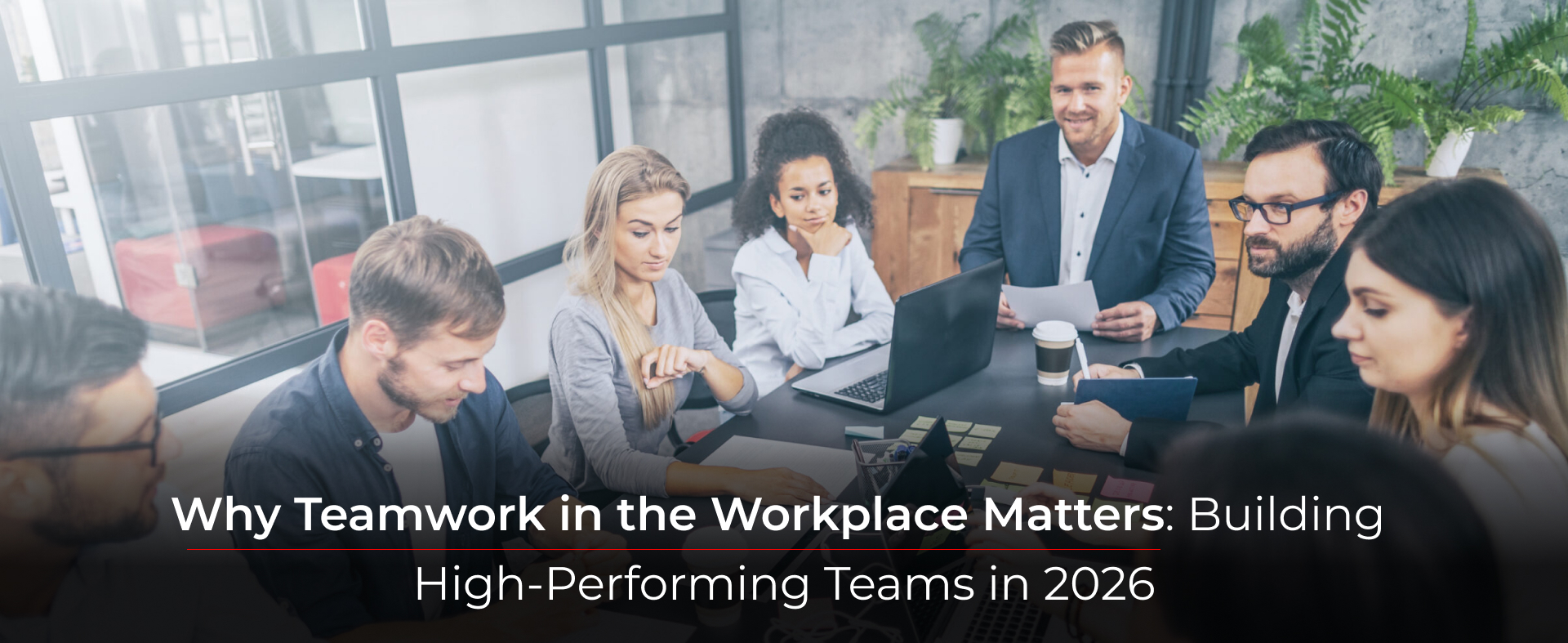
Why Teamwork in the Workplace Matters: Building High-Performing Teams in 2026
The way organisations succeed has fundamentally changed. In boardrooms and C-suites across industries, one question surfaces repeatedly: why do some leadership teams consistently outperform while others — equally talented on paper — struggle to deliver? The answer, more often than not, lies not in individual brilliance, but in the quality of collaboration at the top.
Boolean Search for Recruiters: Actionable Guide
Master the logic behind elite candidate sourcing. Stop scrolling, start searching with precision — and find the leaders others can’t.>
Boolean search is the closest thing recruiting has to a superpower. Used well, it lets you cut through millions of profiles and surface the exact talent you need — faster, with less noise, and with a precision that generic keyword searches simply cannot match.
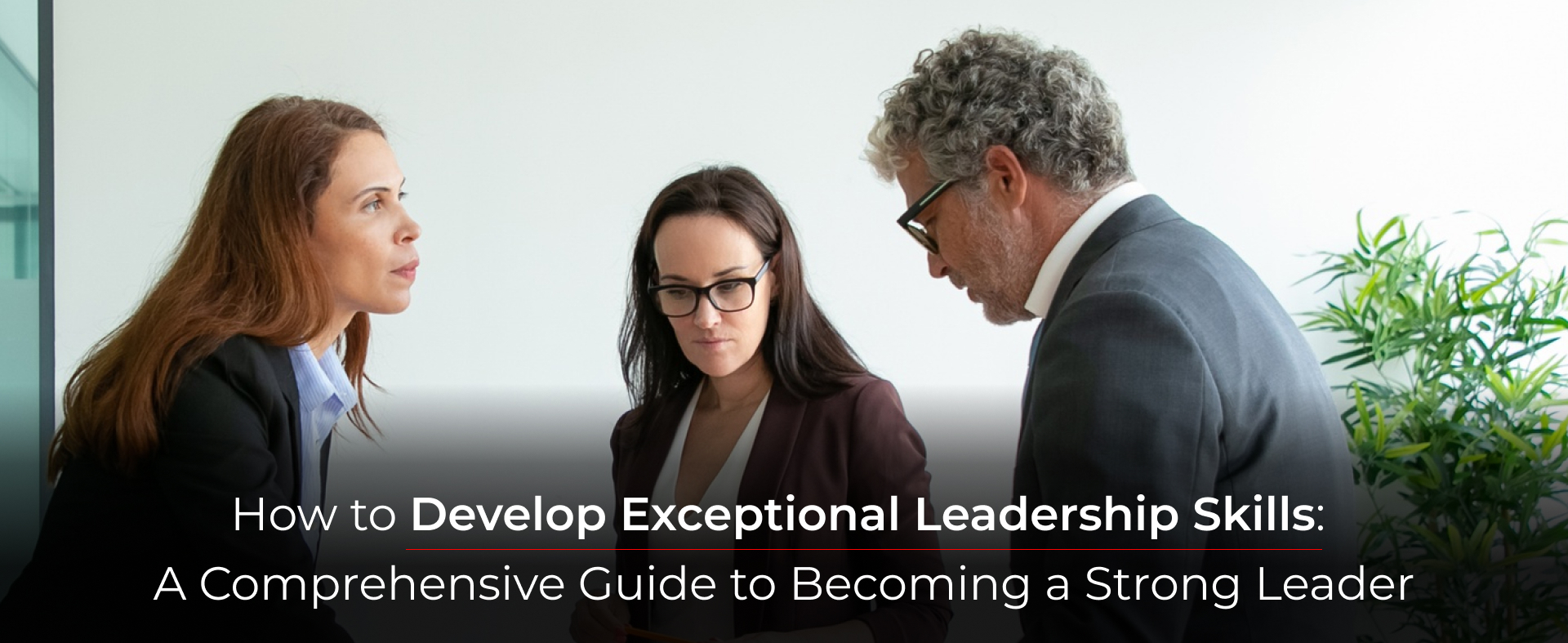
How to Develop Exceptional Leadership Skills: A Comprehensive Guide to Becoming a Strong Leader
Great leaders are not simply born — they are built. Through deliberate practice, honest self-reflection, and a commitment to continuous growth, anyone can develop the leadership qualities that define outstanding professionals.
Whether you are a student stepping into your first leadership role or a seasoned professional aiming for the next level, leadership is a skill that can always be strengthened. At Shrofile, we believe your career trajectory is shaped not just by what you know, but by how effectively you guide, inspire, and influence others.
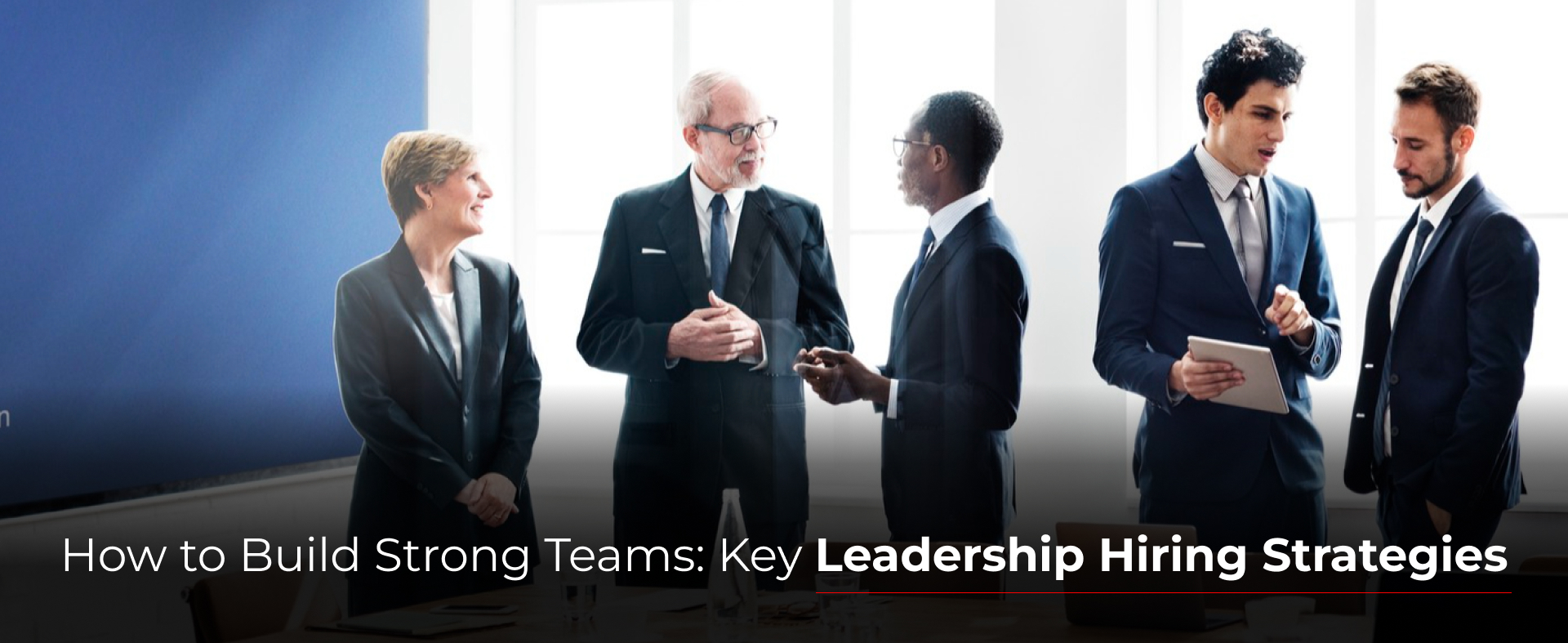
How to Build Strong Teams: Key Leadership Hiring Strategies
Building a strong team is not just about hiring talented individuals — it is about bringing in the right leadership that can guide, influence, and elevate the entire organization.
In today’s competitive business environment, leadership hiring has become a critical function. The success of a team, and often the company itself, depends on the quality of leadership behind it. The real challenge, however, lies in identifying leaders who not only perform but also align with the organization’s vision and culture.
How to Organize and Adapt Your Workforce Amid Constant Change
The modern workplace is no longer stable—it is constantly evolving. From artificial intelligence reshaping job roles to hybrid work redefining collaboration, organizations today must operate in an environment where change is continuous. Businesses that fail to adapt risk falling behind, while those that embrace workforce transformation gain a clear competitive advantage.
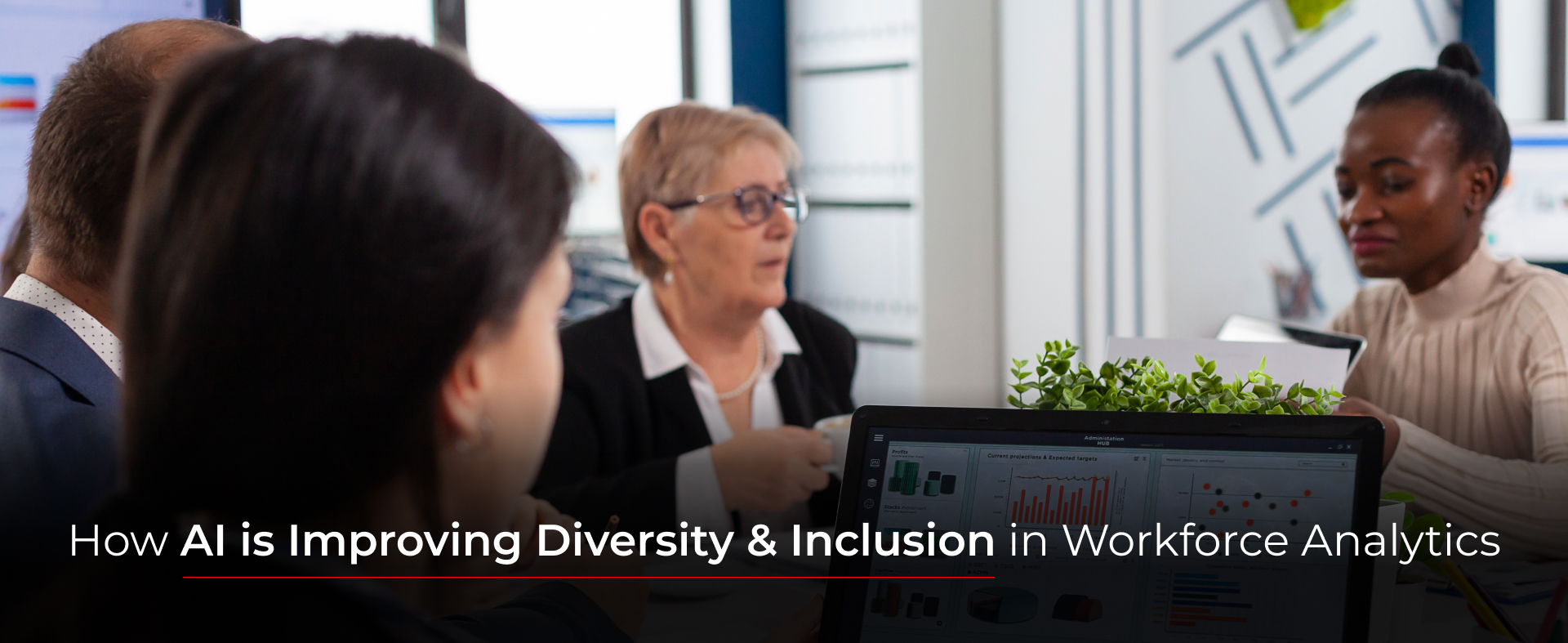
How AI is Improving Diversity & Inclusion in Workforce Analytics
Diversity and inclusion have evolved from being aspirational values to becoming critical drivers of business performance. Organizations today are not just expected to build diverse teams—they are expected to demonstrate measurable progress in doing so. Yet, despite the intent, many companies struggle to eliminate biases embedded within traditional hiring, evaluation, and workforce planning processes.
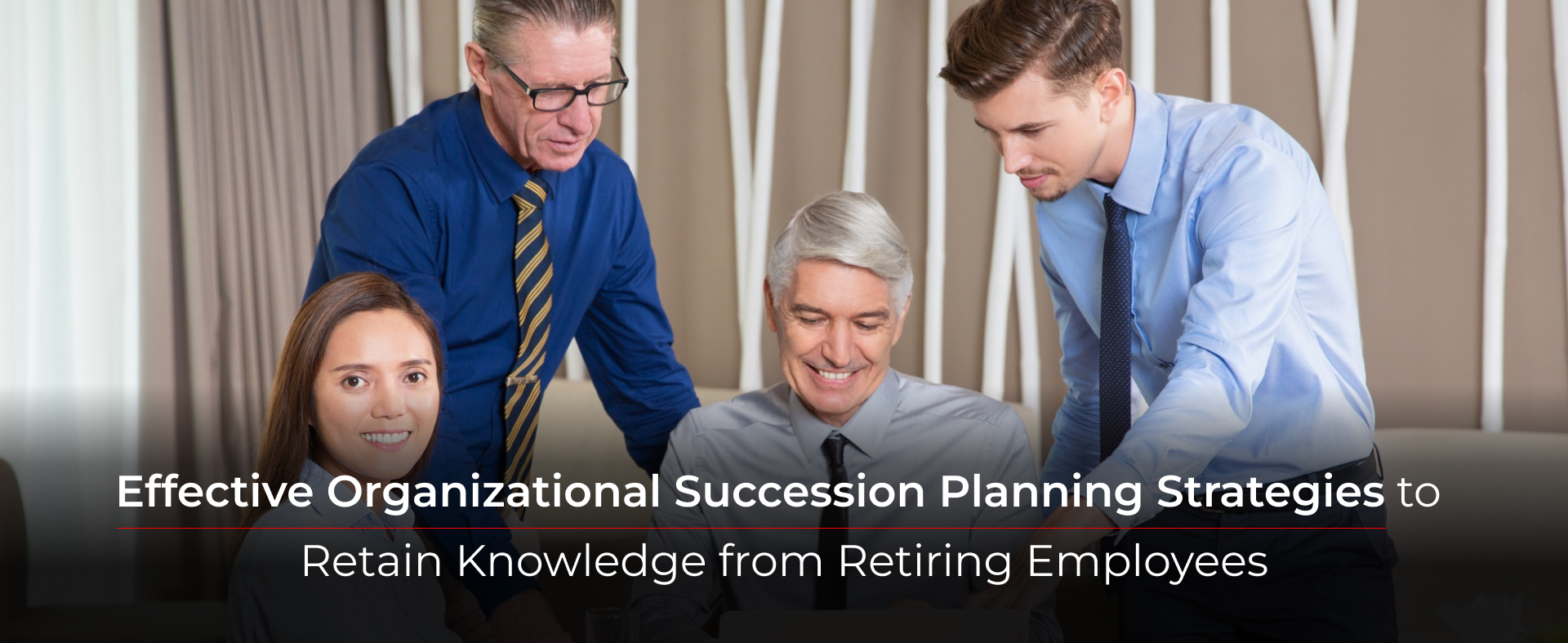
Effective Organizational Succession Planning Strategies to Retain Knowledge from Retiring Employees
Organizations across industries are facing a significant workforce transition. As experienced professionals approach retirement, companies are increasingly realizing that they risk losing not just employees—but decades of institutional knowledge.
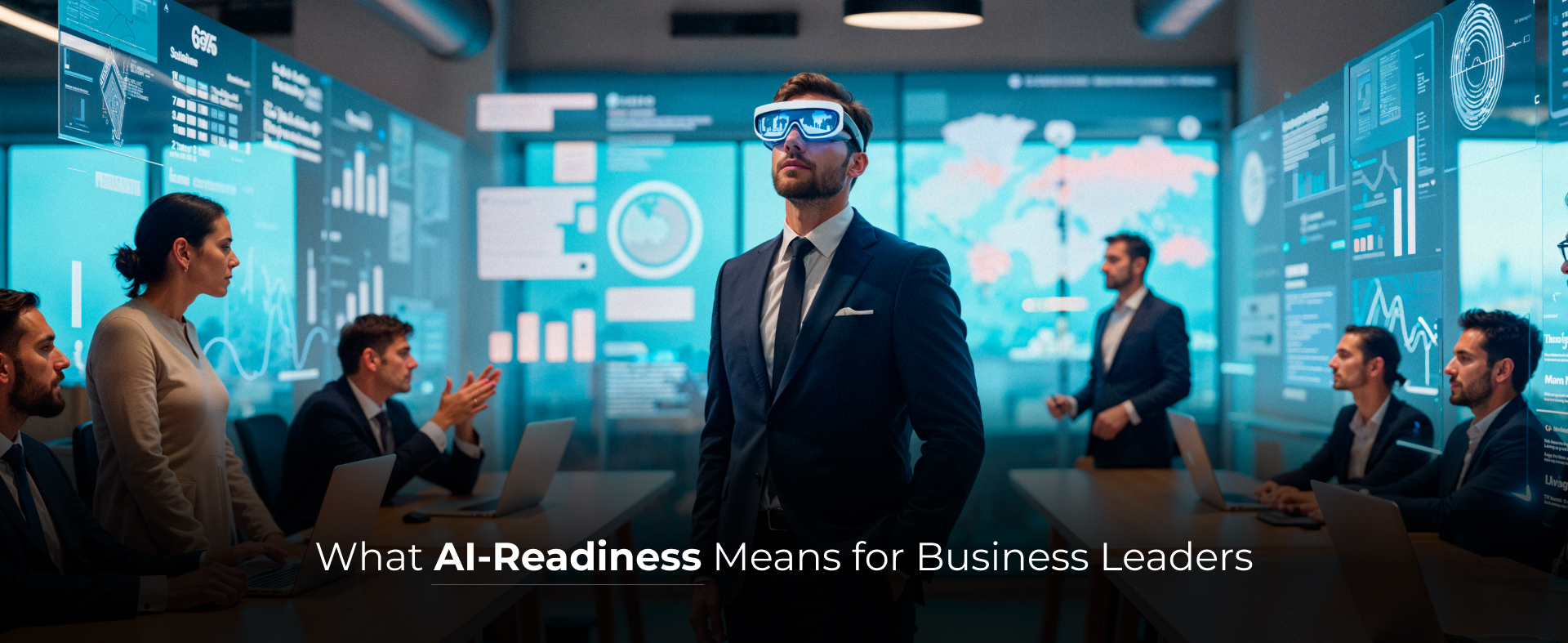
What AI-Readiness Means for Business Leaders
What does AI-readiness really mean for today’s executives? At its core, AI-readiness is not about technical expertise. It is about whether leadership is prepared to guide the organization through intelligent transformation.
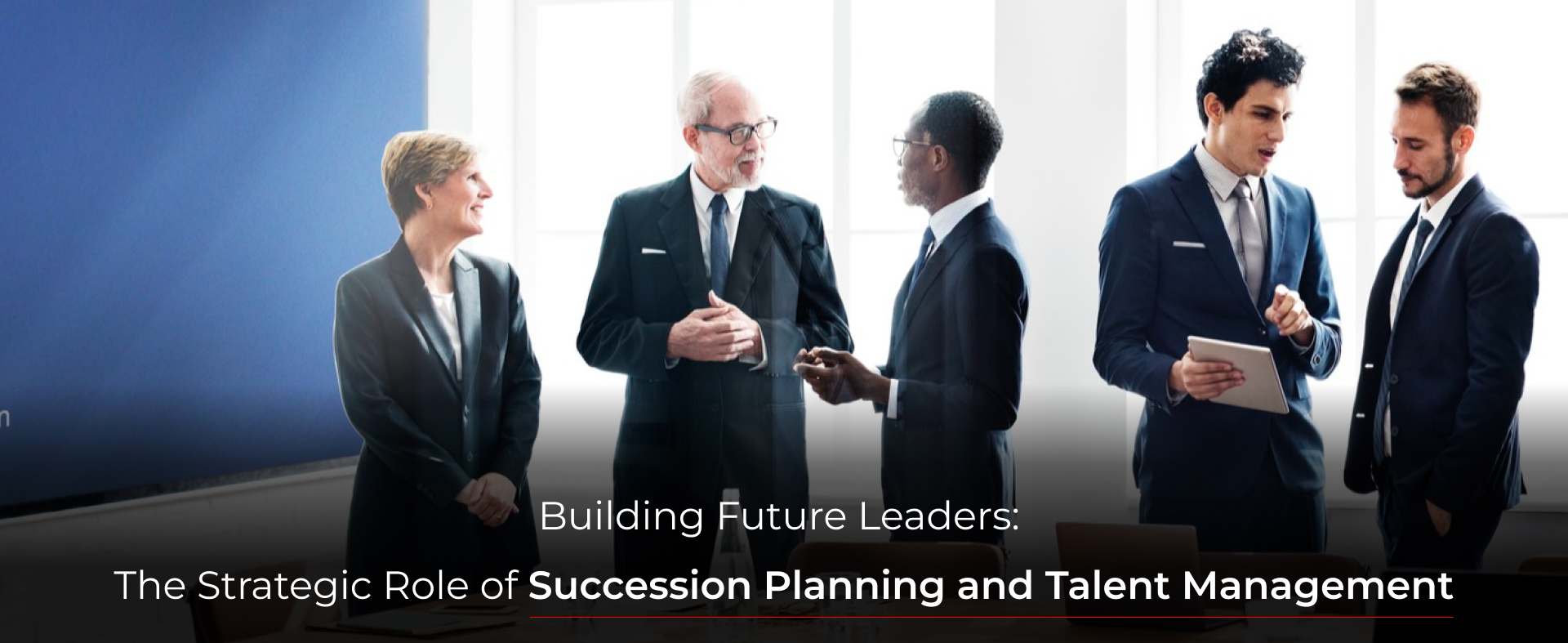
Building Future Leaders: The Strategic Role of Succession Planning and Talent Management
In today’s rapidly evolving business environment, organizations are constantly navigating change, competition, and growth. In such a landscape, leadership continuity becomes a defining factor for long-term success. Companies that sustain their performance over time are not only those that hire strong leaders but those that prepare and nurture future leaders from within. Succession planning and talent management therefore play a critical role in ensuring stability, resilience, and strategic growth.